
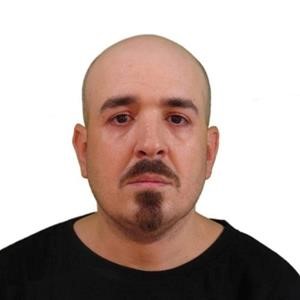
Rami Nadji
French National Institute of Health and Medical Research (INSERM)
France
Abstract Title: Improving the Impact of the “Women Relays” Health Mediation Program on Perinatal Health in Isolated Territories of French Guiana
Biography:
Rami Nadji is a general practitioner who graduated from the Faculty of Medicine of Constantine. He also holds three Master’s degrees (Master 2) in public health from the universities of Paris, Tours, and Nancy. He currently works as a scientific project manager in Paris at the French National Institute of Health and Medical Research (INSERM). He participated last year in scientific presentations at conferences in France, French Guiana, Réunion Island, Thailand, and South Africa.
Research Interest:
Background : Pregnant women living in remote areas of inland French Guiana often experience limited access to prenatal follow-up and postnatal support due to a shortage of perinatal health professionals. To address this issue, the Perinat Guyane network implemented a health mediation program called “women relays”, which relies on trained patient-experts from local communities to facilitate communication and improve access to care. This study aimed to identify barriers, facilitating factors, and potential improvements to optimize the program’s impact on perinatal health.
Methods : A qualitative study was conducted using semi-structured interviews with midwives who had worked or were currently practicing in the isolated municipalities of Maripasoula, Grand-Santi, and Papaichton. Due to cultural and linguistic barriers limiting direct data collection from the local population, interviews were also conducted with women relays involved in the program.
Results : Key facilitating factors included the effectiveness of health mediation, the role of women relays in translation and transportation, and the positive impact on pregnancy follow-up. However, several barriers were identified, including insufficient communication between stakeholders, limited training opportunities for women relays, and the absence of a clearly defined framework. Suggested improvements included better information for midwives, clearer guidelines, strengthened training, and the appointment of a women relay in Cayenne. Conclusion : The “women relays” program appears to positively influence pregnancy care in remote areas of French Guiana. Strengthening communication, training, and organizational structure could further enhance its impact.
Keywords : health mediation, perinatal care, French Guiana, barriers, midwives.